All Categories
Featured
Table of Contents
The mix is not contradictory: reliable cost management must release capital and capacity for tactical spending. The rest of this report checks out how finance organizations attain that balance.
In light of the top priorities above, CFOs are releasing a variety of cost-cutting methods. Most importantly, current commentary highlights that cuts need to be.
Typical actions consist of evaluating all expense classifications, renegotiating supplier contracts, and re-engineering processes. Table 2 summarizes typical areas of costs scrutiny versus areas of continued or increased funding. Upskill finance group for automation and analytics; invest in training to enhance efficiency.
Unlocking Savings Through Global Talent Hubs
Reallocate savings to digital marketing tools, data-driven client analytics. CFOs might trim broad marketing expenditures and instead invest in targeted, ROI-measurable projects.
Scaling Product Engineering Teams: A New GCC PriorityAI budgeting tools) and deliver faster insights (e.g. real-time dashboards). Financing Processes (Reporting, Closing) Standardize and automate routine reconciliation and closing jobs to diminish cycle time. Lean out complex reporting. Implement process automation (RPA bots, clever workflows) to reduce manual work in month-end close, accounts payable, and so on (One study credits RPA with doubling performance in finance functions) .
Release cash from overstock . Invest in cash forecasting tools and supply chain exposure to lessen working capital bound. Usage data analytics to enhance money conversion. Capital Investment Delay or cancel low-return tasks; focus on upkeep capex. Reroute CAPEX toward critical digital facilities (e.g. cybersecurity, AI analytics platforms) that enhances long-lasting performance.
Offshore Vs Regional Centers: a Strategic Analysis
Think about sustainability projects that have double expense and compliance benefits. In each area, are essential.
These steps led to repeating savings without crippling the service. Under ZBB, every expense needs to be warranted each year, rather than relying on incremental increases, which forces managers to root out redundant spending.
When done thoroughly, this produces lean spending plans that align costs straight with value creation. Another essential method is. CFOs are tightening up credit terms and stock levels to free up cash. In the AFP case research study of a Middle East automobile retailer, the financing team determined slow receivables and puffed up stock as essential drains, and executed more stringent credit policies and stock reduction programs.
Scaling Product Engineering Teams: A New GCC PriorityWays to Slash Corporate Expenses Via Offshore Operations
The case illustrates that finance-led tasks (reducing DSO, working out provider terms, and so on) can significantly enhance margins without slashing headcount. Finally, continue to be substantial levers. Not detailed in this report, lots of companies are consolidating transactional financing (AP, AR, payroll) into Centers of Quality or offshoring locations to catch economies of scale.
By moving high-volume, rule-based jobs to customized provider (frequently in lower-cost nations), CFOs can cut costs and access advanced tools (for example, some BPO suppliers currently use "AI-enhanced accounting" capabilities as standard) . Simply put, finance outsourcing is ending up being a strategic option for cost management along with ability building.
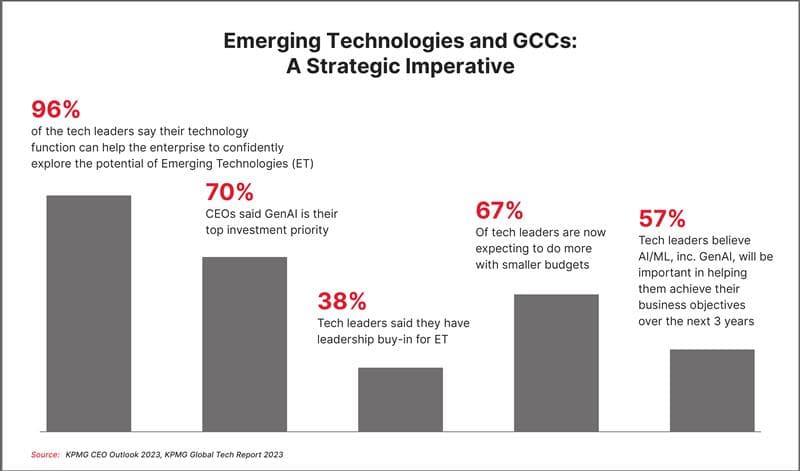
Significantly, in spite of pressure on overall capital expenditures, financing and IT budget plans reveal exceptional durability for innovation. As Deloitte and Gartner data imply, CFOs are cushioning or even enhancing spending plans for digital transformation and AI.

Latest Posts
Future-Proofing Corporate Expansion With Hybrid Frameworks
Future-Proofing Global Footprints With GCC Frameworks
Corporate Growth Tactics for Multinational Success