All Categories
Featured
Table of Contents
Outsourcing is becoming more common as services look for methods to scale efficiently and remain competitive, but success depends on choosing the ideal design for how your team works. In this guide, we explain how each contracting out design works and what it resembles to partner with groups in different areas.
There are 3 primary location-based alternatives for contracting out work: nearshore outsourcing, overseas outsourcing, and onshore outsourcing. This design partners with a business in a neighboring country. For U.S. services, nearshore outsourcing normally means working with teams in Mexico or Latin America.
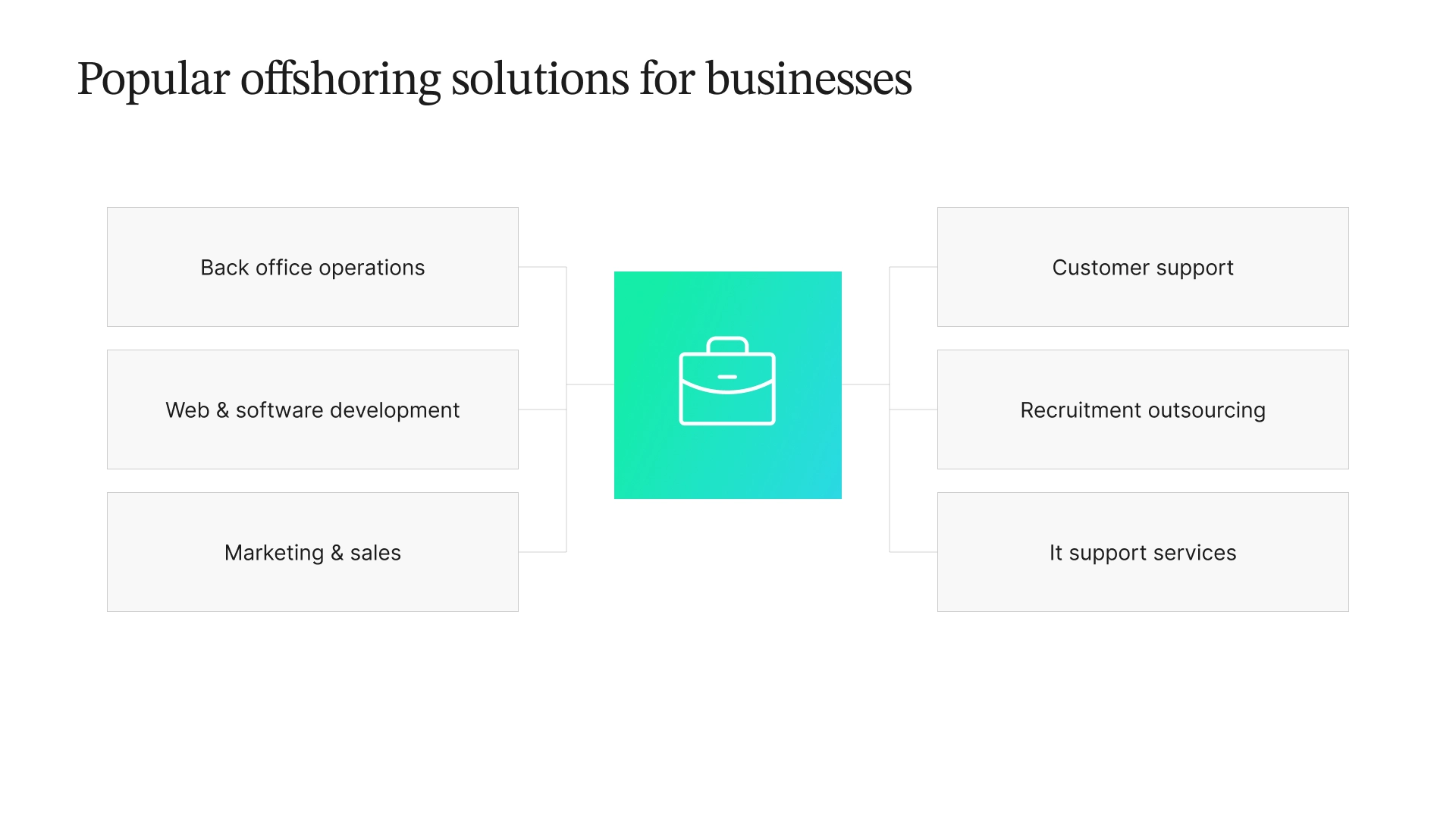
This model partners with more remote countries like India or the Philippines. Groups are based far from the U.S., typically with big time zone distinctions. Offshore outsourcing includes working with partners across different parts of the world. This model keeps the work inside the U.S. Onshore outsourcing means working with a group that operates within the same national borders.
Many companies select nearshore or overseas outsourcing over onshore outsourcing due to the fact that local hiring typically means dealing with higher labor expenses, slower recruiting, and a smaller supply of qualified prospects. On the other hand, nearshore outsourcing often causes quicker hiring and more affordable incomes, while overseas outsourcing provides business access to a larger talent pool with specialized skills and frequently even lower expenses.
When companies compare nearshore and overseas outsourcing, it's simple to believe only about location, but comprehending the crucial differences goes much deeper than physical location. Practical business elements like time zone positioning and communication circulation shape how an outsourcing design fits organization needs.
Detailed Analysis of Global Talent Hub Evolution
Nearshore teams frequently run in comparable time zones, which can make conferences and fast turnarounds easier to coordinate. Offshore teams generally work across wider time differences and may rely more on asynchronous interaction, like set up updates or shift-based job handoffs. Both models can support 24/7 operations, depending upon how workflows are structured and expectations are set.
Nearshore and offshore teams often utilize various communication rhythms, but both depend on well-defined processes to remain lined up. Nearshore groups may lean on more casual, real-time exchanges, while offshore groups typically emphasize clear reporting and standardized check-ins to bridge any gaps in work hours or style. When functions and feedback loops are clearly outlined, both designs can keep development noticeable and on schedule.
Meanwhile, offshore outsourcing taps into larger and typically more diverse labor markets with substantial technical competence in areas like software application development and monetary operations. For example, countries like India and the Philippines are understood for their scale and technical depth, while areas like Mexico and Costa Rica are recognized for language abilities and service functions.
Can Global Capability Center Strategies Redefine Global Markets?Cultural distinctions can affect how groups work together and make decisions. Nearshore teams may share more cultural resemblances with U.S.-based companies, which can support smoother communication in many cases. Offshore teams may bring different customs, however lots of companies purchase cross-cultural training and onboarding to build strong working relationships. Group adaptability and clear expectations assist both designs work well, despite the area.
Offshore teams typically have lower hourly rates due to bigger labor pools and wage differences. Nearshore groups might have slightly higher direct costs, however could minimize other costs connected to coordination or miscommunication.
Scaling the Global Capability Center Framework Within America
Here's what makes it work well and where you might need to plan ahead. One of the greatest benefits of nearshore outsourcing is the capability to work together in real time. Teams in similar time zones can jump on calls, evaluation deliverables, and troubleshoot problems throughout the same workday. This assists reduce hold-ups, specifically for work that depends upon speed and close coordination.
Working with a nearshore partner frequently implies less barriers around language or shared organization expectations. That compatibility can make team dynamics smoother and decrease the requirement for continuous information, something that matters in fast-moving environments.
Can Global Capability Center Strategies Redefine Global Markets?The labor swimming pool in a single region may be smaller than in global offshore centers, which could make it more difficult to fill highly technical or niche roles. Business looking for deep specialization may need to work with vendors who hire throughout numerous nearshore business or offer mixed team models.

Latest Posts
Future-Proofing Corporate Expansion With Hybrid Frameworks
Future-Proofing Global Footprints With GCC Frameworks
Corporate Growth Tactics for Multinational Success